Your Implants Are Worth Saving. Advanced Laser Treatment Can Help.
A Minimally Invasive Way
to Protect Your Implant Investment

Dental implants are designed to be a lifetime solution, but even expertly placed implants can develop complications over time. Peri-implantitis, an infection of the tissue surrounding a dental implant, is one of the most serious threats to implant longevity. Left untreated, it causes progressive bone loss, gum recession, and ultimately implant failure.
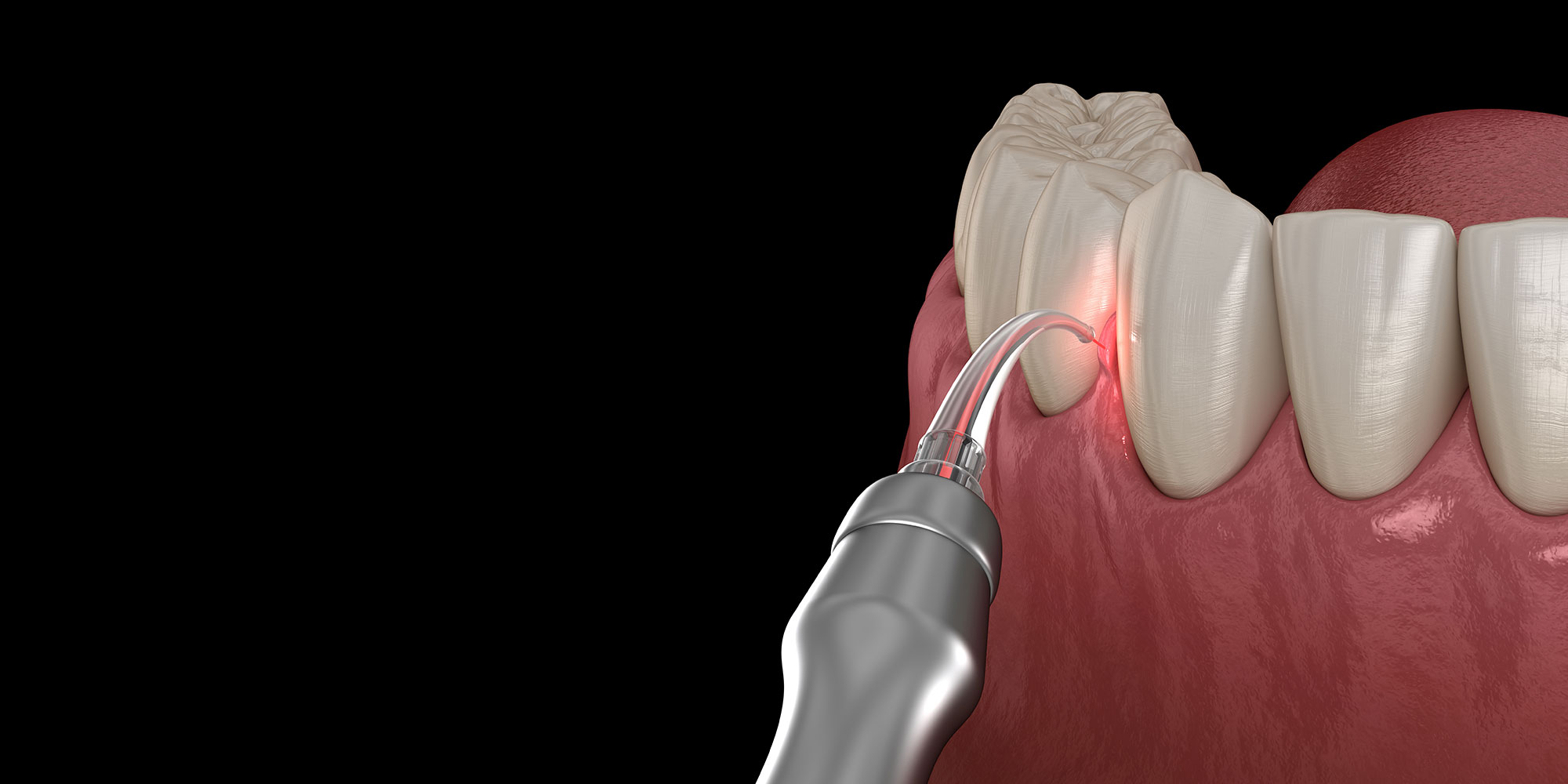
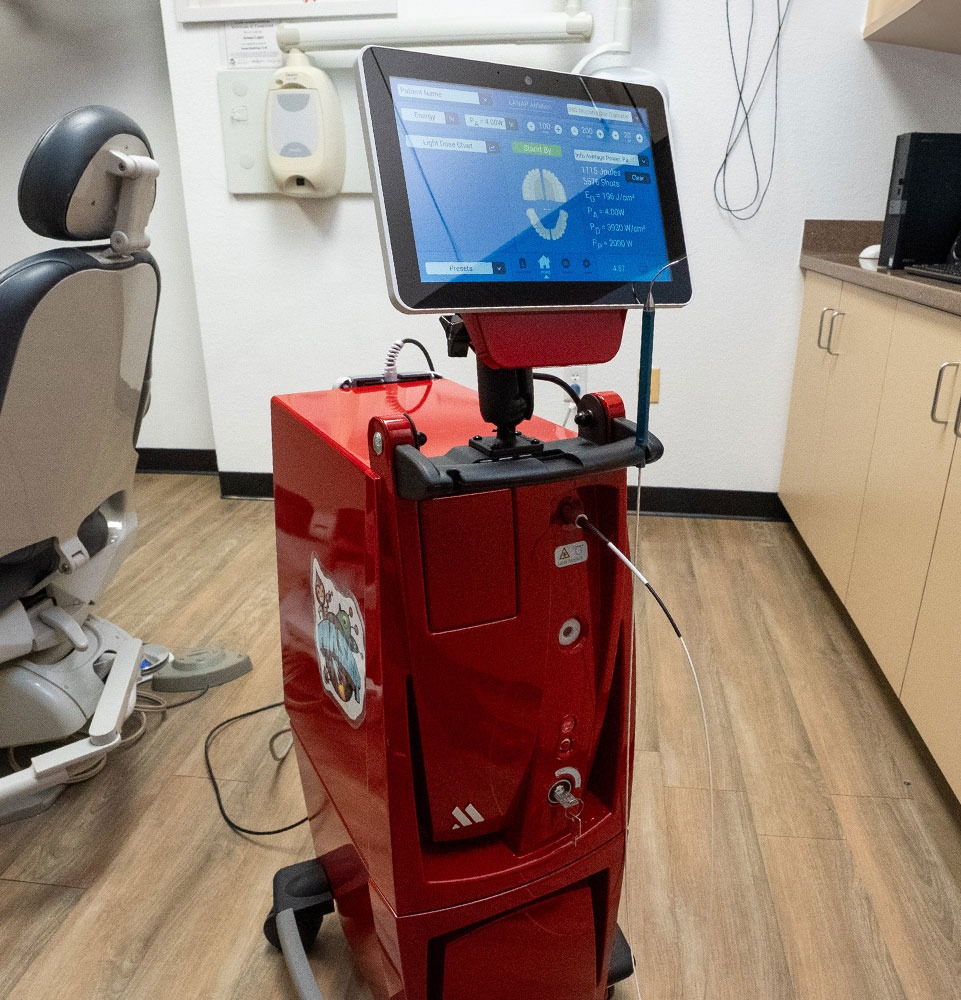
At Wright Perio & Implants, Dr. Raymond Wright Jr. offers LAPIP, the Laser-Assisted Peri-Implantitis Protocol, a minimally invasive laser treatment that targets and eliminates the infection threatening your implant without cutting, stitches, or the lengthy recovery associated with traditional surgery. Using the same advanced laser technology behind our LANAP gum disease treatments, Dr. Wright can precisely and effectively address peri-implantitis, saving implants that might otherwise be lost.
What Is Peri-Implantitis and Why Does It Matter?
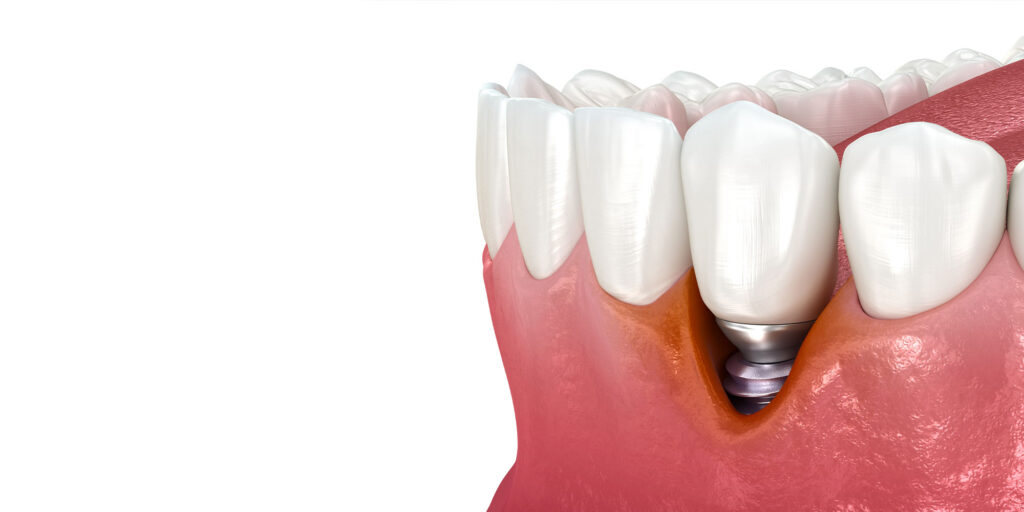
Peri-implantitis is a progressive inflammatory condition that affects the gum tissue and bone surrounding a dental implant. It is caused by the accumulation of harmful bacteria around the implant post. Left unchecked, these bacteria trigger an immune response that gradually destroys the bone and soft tissue that give the implant its stability and support.
What makes peri-implantitis particularly concerning is how quietly it often develops. Many patients experience little to no discomfort in the early stages, which is why regular professional monitoring and prompt attention to any warning signs are so critical for protecting your implants long term.
Warning Signs That Your Implant May Be in Trouble
Do not ignore these symptoms. If you are experiencing any of the following around a dental implant, contact Wright Perio & Implants as soon as possible for an evaluation:
- Persistent pain, tenderness, or discomfort around the implant site
- Red, swollen, or inflamed gum tissue surrounding the implant
- Bleeding around the implant when brushing or flossing
- An implant that feels loose or has shifted slightly in position
- Gum recession that is exposing part of the implant post
- Difficulty chewing or biting comfortably on the affected side
- Persistent bad breath or an unusual taste that does not resolve
- Visible pus or discharge around the implant
Why Do Dental Implants Develop Infections?
Inadequate brushing and flossing allow plaque and bacteria to accumulate around the implant post and beneath the gumline. This is the primary driver of peri-implant infection. Consistent, thorough oral hygiene at home is the single most important factor in long-term implant health.
Patients who have experienced periodontal disease are at a significantly higher risk of developing peri-implantitis. The same bacteria responsible for gum disease can also attack the tissue surrounding implants. This is one of the many reasons Dr. Wright prioritizes treating gum disease thoroughly before placing implants, and why ongoing periodontal maintenance is so important after implant placement
When bone grafting, sinus augmentation, or periodontal therapy is required before implant placement, the overall treatment timeline is extended to allow for adequate healing. These preparatory steps are an investment in the long-term success of your implants. Dr. Wright will explain clearly whether they apply to your situation and exactly what to expect at every stage.
Conditions such as uncontrolled diabetes can impair immune function and slow healing, increasing susceptibility to infection around implants. Patients with systemic health conditions are encouraged to work closely with their physicians to keep these conditions well-managed as part of their overall implant care plan.
Skipping professional cleanings or going too long between periodontal maintenance visits allows bacterial deposits to accumulate on the implant surface and in the surrounding tissues. Regular professional care is essential, not optional, for patients with dental implants.
How LAPIP Saves Failing Implants
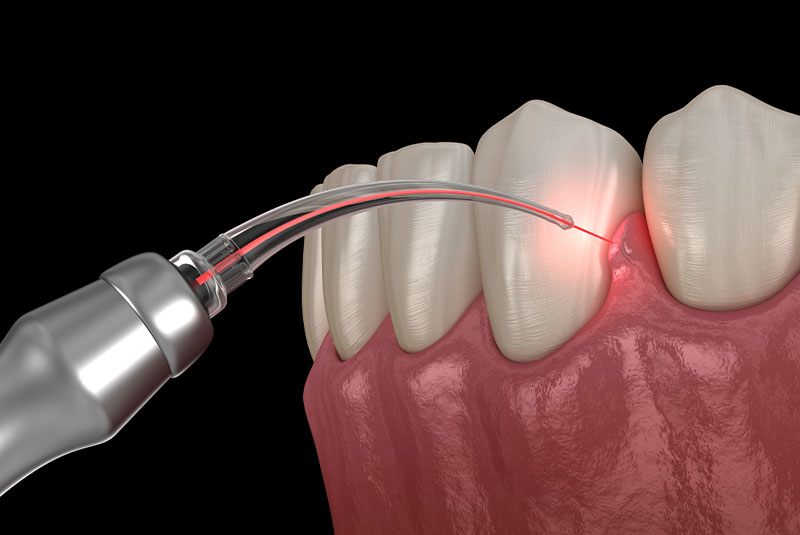
LAPIP is the only FDA-cleared laser treatment specifically designed to treat failing dental implants in San Clemente, CA. It uses precise laser energy to eliminate the infection threatening your implant without the need for cutting, stitches, or traditional surgery.
What makes LAPIP uniquely effective is its ability to do what conventional treatment cannot. The laser selectively removes diseased tissue and harmful bacteria surrounding the implant while leaving all healthy tissue completely undisturbed. It then stimulates the body’s natural healing response, promoting the regeneration of bone and soft tissue around the implant surface.
The Benefits of Choosing LAPIP
- Saves failing implants without the need for traditional surgery
- No cutting, no stitches, and no significant downtime
- Precisely targets infection while preserving all healthy surrounding tissue
- Stimulates natural regeneration of bone and soft tissue around the implant
- Significantly less post-treatment discomfort than surgical approaches
- Minimal risk of gum recession following treatment
- Protects and preserves your existing implant investment
- A safe option for patients with health conditions that may increase surgical risk
What to Expect During LAPIP Treatment
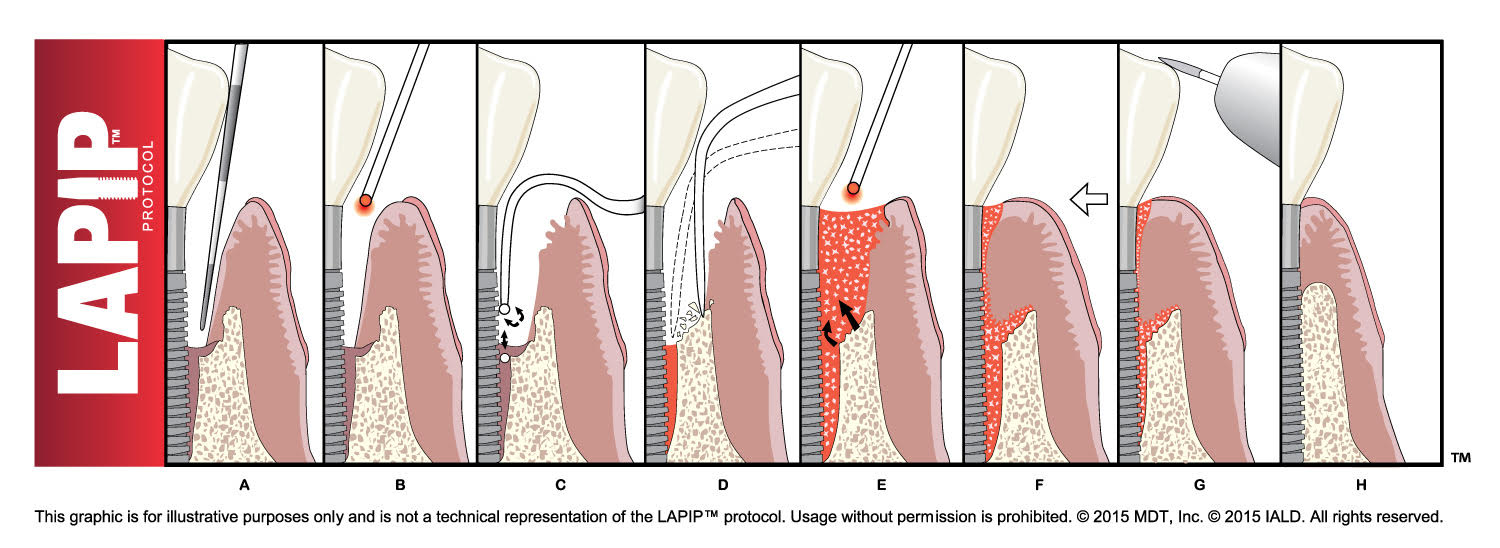
Your LAPIP treatment begins with a thorough evaluation of your implant, the surrounding gum tissue, and the underlying bone. Dr. Wright takes precise measurements of the peri-implant pockets, reviews detailed imaging to assess the degree of bone loss, and evaluates the overall stability of the implant. This assessment allows him to develop a personalized treatment plan and give you a clear, honest picture of your implant’s current condition and what you can expect moving forward.
The laser fiber is gently guided into the peri-implant pocket, where it delivers precise laser energy to eliminate the harmful bacteria and diseased tissue driving the infection. The laser is calibrated to target only the compromised tissue, leaving the healthy gum and bone tissue surrounding the implant completely unaffected. There are no incisions, no tissue removal, and no sutures required.
Following the initial laser pass, the implant surface is carefully cleaned to remove any remaining bacterial deposits, calculus, and contaminants that have accumulated on the implant post. Thoroughly cleaning the implant surface is a critical step in eliminating the source of infection and creating a clean, receptive environment for tissue reattachment and bone regeneration.
The laser is then applied at a different setting to stimulate the formation of a stable blood clot that seals the treated pocket and initiates the body’s natural regenerative processes. This clot provides the biological foundation for new bone and connective tissue to form around the implant, restoring the stability and support compromised by peri-implantitis.
Recovery following LAPIP is typically very well-tolerated. Any mild tenderness or sensitivity in the days immediately following treatment can usually be managed with over-the-counter pain relievers. Dr. Wright schedules follow-up appointments to monitor your healing, measure improvements in pocket depth, and assess the long-term stability of your implant. Ongoing periodontal maintenance is an important part of sustaining your results and preventing recurrence.
Keeping Your Implants Healthy After LAPIP Treatment
Following successful LAPIP treatment, maintaining the health of your implants requires the same consistent care and professional monitoring that protects natural teeth. Dr. Wright and our team will provide personalized guidance on caring for your implants at home, but these foundational habits are essential for every implant patient:
- Brush twice daily with a soft-bristle toothbrush and non-abrasive toothpaste
- Floss daily, paying careful attention to the tissue surrounding each implant
- Attend all scheduled periodontal maintenance appointments without exception
- Avoid tobacco use in any form
- Manage any systemic health conditions, such as diabetes, in close coordination with your physician
- Contact our office promptly if any new symptoms develop around your implants
Do Not Wait Until It Is Too Late
to Save Your Implants
Peri-implantitis does not resolve on its own, and the longer it goes untreated, the more difficult it becomes to save the implant. Dr. Wright and our team at Wright Perio & Implants are here to help patients throughout South Orange County protect their smile investments with the most advanced, minimally invasive treatment available.
If you are experiencing any symptoms around a dental implant, or if it has simply been a while since your last implant evaluation, we encourage you to reach out today! Your implants are worth saving, and we have the expertise and technology to help you do exactly that.
Are You A Candidate for Implants?
Schedule An Appointment
I understand the information disclosed in this form may be subject to re-disclosure and may no longer be protected by HIPAA privacy regulations and the HITECH Act.
Find out if you're a
candidate for dental implants
Answer the Following Questions To Learn more about our pricing and financing options.